Advancing your career in healthcare often involves a commitment to lifelong learning. For dedicated professionals, this can mean returning to study to gain new qualifications or specialise in a particular area. Juggling demanding roles with further education is a significant challenge, but with the right strategies, it is an achievable and rewarding endeavour. Whether you are looking to enhance your skills or move into a new specialism, balancing your professional responsibilities with your academic goals is key to success.
Create a realistic and flexible schedule
The foundation of successfully balancing work and study is effective time management. Start by creating a detailed schedule that outlines all your commitments, including work shifts, family time, social activities, and dedicated study periods. Be realistic about how much time you can allocate to learning each week. It is better to schedule shorter, more frequent study sessions than to plan for long, unrealistic blocks that you are likely to miss. A visual calendar, either digital or physical, can help you see your week at a glance and identify potential pockets of free time. Remember to build flexibility into your plan. Healthcare is unpredictable, and shifts can change. Having a flexible schedule allows you to adapt without feeling overwhelmed or falling behind.
Choose the right course for your career goals
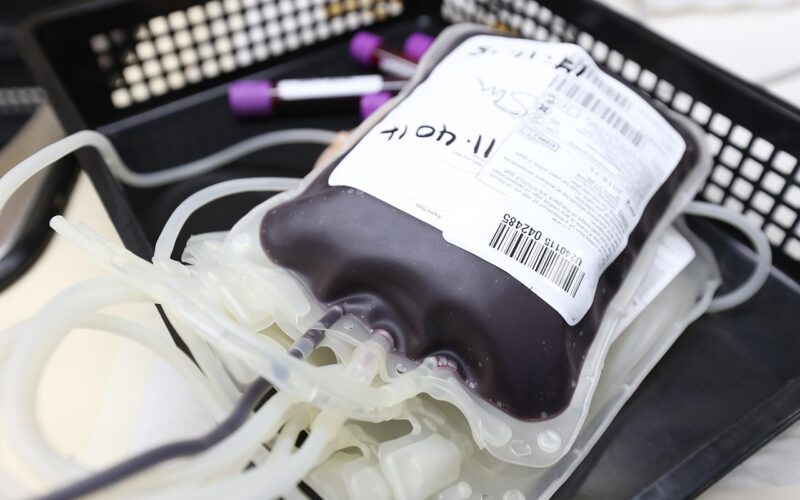
Selecting a course that aligns with your career aspirations and fits your lifestyle is crucial. Many institutions now offer flexible learning options, including part-time, online, and blended courses designed for working professionals. If your goal is to enhance your diagnostic skills, for example, specialised ECG training courses can provide targeted knowledge that is immediately applicable in your role. Similarly, courses focusing on the interpretation of blood results can significantly improve your clinical decision-making. By choosing a programme that is directly relevant to your work, you will find the material more engaging and see the immediate value of your efforts.
Maximise your study efficiency
When time is limited, you need to make every study session count. Identify your most productive time of day and protect it for your most challenging subjects. Employ active learning techniques rather than passive reading. This could involve summarising chapters in your own words, creating flashcards for key concepts, or working through case studies. For practical subjects, such as preoperative assessment courses, applying theoretical knowledge to hypothetical patient scenarios can solidify your understanding. Breaking down large topics into smaller, manageable chunks can also make the material less daunting and help you track your progress more effectively.
Communicate with your employer and family
Having a strong support system is invaluable. Speak to your line manager about your study plans. Many healthcare employers are supportive of professional development and may be able to offer flexible working arrangements or even financial assistance. They might also identify opportunities for you to apply your new skills within your current role. It is equally important to discuss your commitments with your family and friends. Let them know when you will need to focus on your studies so they can offer support and understanding. This open communication helps manage expectations and reduces potential conflicts, allowing you to dedicate the necessary time to your education.
Prioritise self-care to avoid burnout
The pressure of managing a demanding job alongside rigorous study can easily lead to burnout. It is essential to prioritise your own well-being. Ensure you are getting enough sleep, eating nutritious meals, and incorporating regular physical activity into your routine. Schedule downtime to relax and engage in hobbies that you enjoy. Taking breaks is not a luxury; it is a necessity for maintaining focus and long-term motivation. Recognise the signs of stress and take steps to manage them, whether that’s through mindfulness, exercise, or simply talking to someone you trust.
Ultimately, pursuing further education while working in healthcare is a marathon, not a sprint. It requires discipline, organisation, and a strong support network. By implementing these strategies, you can successfully navigate the challenges, achieve your educational goals, and take the next significant step in your professional journey.